
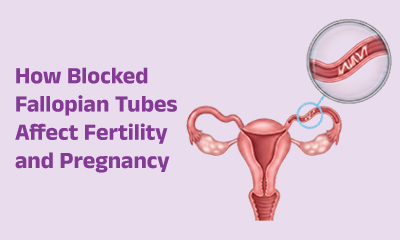
Blocked fallopian tubes can become a major obstacle for couples trying to conceive naturally. Since fertilization occurs inside the fallopian tube, any blockage can prevent the sperm and egg from meeting successfully. At Kiran Infertility Center, fertility experts help diagnose and manage tubal infertility using advanced reproductive treatments.
Understanding Fallopian Tube Blockage
Fallopian tubes are delicate reproductive structures that transport eggs from the ovaries to the uterus. When the tubes are blocked or damaged, fertility may be affected partially or completely depending on the condition.
Common Reasons for Tubal Blockage
Blocked tubes may develop due to:
- Pelvic inflammatory disease
- Endometriosis
- Previous abdominal or pelvic surgery
- Fibroids
- Sexually transmitted infections
- Tuberculosis infections
- Pelvic adhesions
Scar tissue and inflammation are among the most common reasons for tubal infertility.
Signs You Should Not Ignore
Many women do not notice symptoms until they try for pregnancy. Some warning signs include:
- Infertility
- Chronic pelvic pain
- Heavy menstrual cramps
- Pain during periods
- Abdominal discomfort
In some cases, hydrosalpinx can lead to swelling and fluid accumulation in the tubes.
Diagnosis of Blocked Fallopian Tubes
HSG Scan
An HSG test checks whether the fallopian tubes are open by using contrast dye and imaging.
Laparoscopy
This minimally invasive procedure helps specialists confirm blockage and assess pelvic health.
Fertility Assessment
Doctors may also recommend hormone tests, ultrasound scans, and ovarian reserve evaluation.
Treatment for Blocked Fallopian Tubes
At Kiran Infertility Center, treatment depends on the extent of damage and fertility goals.
Surgical Correction
Mild blockages may be treated through laparoscopic surgery or tubal repair procedures.
IVF for Tubal Infertility
IVF is highly successful for women with severe tubal damage or bilateral blockage. The process bypasses the tubes entirely by creating embryos in a laboratory setting.
Can You Conceive Naturally with One Blocked Tube?
Yes, pregnancy may still occur if one fallopian tube is healthy and ovulation happens normally. Many women conceive naturally with one functioning tube. However, fertility evaluation is important to understand the best treatment path.
Why Choose Expert Fertility Care?
Timely diagnosis and proper fertility treatment can significantly improve pregnancy outcomes. Kiran Infertility Center provides personalized fertility solutions, advanced IVF technology, and experienced fertility specialists dedicated
Kiran Infertility Center Hyderabad
1. What causes blocked fallopian tubes?
Common causes include pelvic inflammatory disease, endometriosis, sexually transmitted infections, previous pelvic surgery, and hydrosalpinx.
2. Can blocked tubes be treated without surgery?
Some mild blockages may be managed with tubal cannulation or fertility treatments, while severe cases may require IVF or surgery.
3. Is tubal blockage painful?
Not always. Many women have no symptoms, though some may experience pelvic pain or painful periods.
4. What is hydrosalpinx?
Hydrosalpinx is a condition where fluid builds up inside a blocked fallopian tube, affecting fertility and IVF success.
5. When should I consult a fertility specialist?
You should consult a fertility expert if pregnancy has not occurred after 12 months of trying, or after 6 months if you are above 35 years of age.