

Frequently Asked Questions
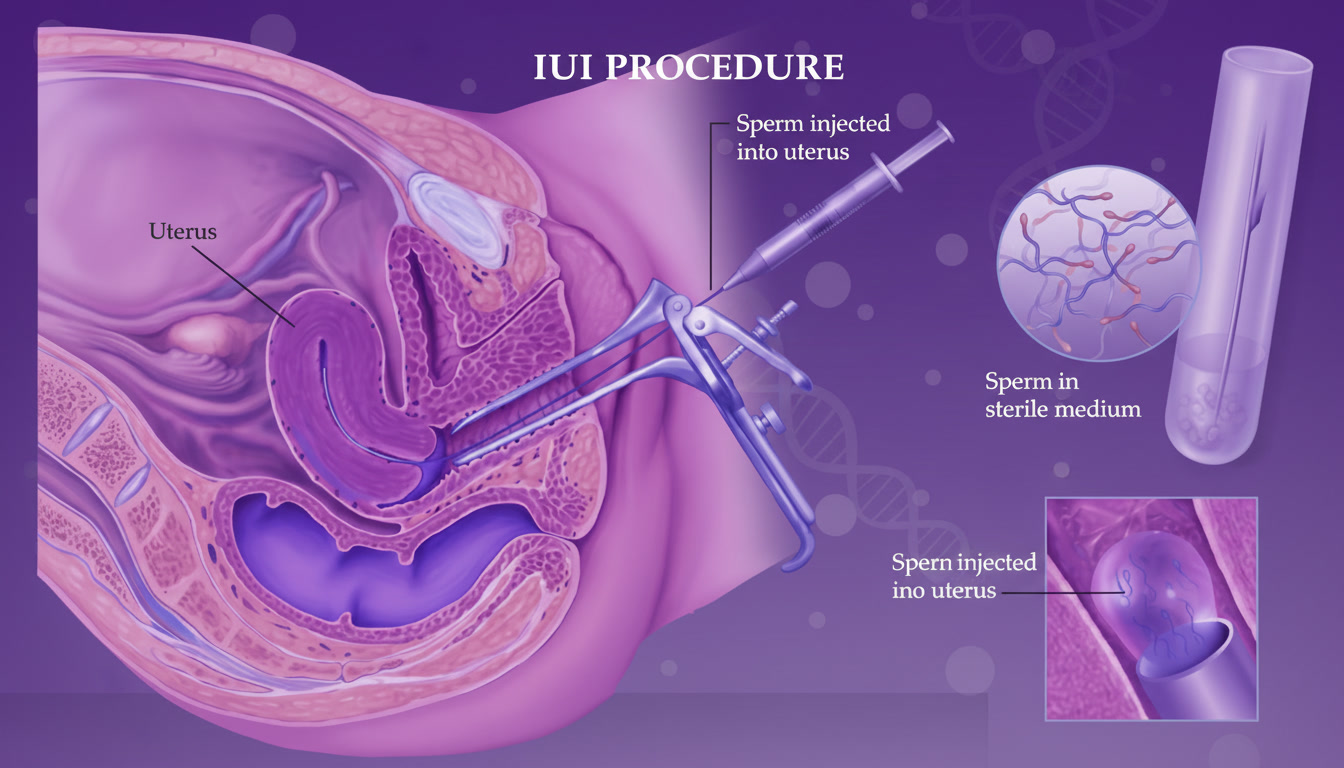
Intrauterine Insemination (IUI) is a fertility treatment in which specially prepared sperm is placed directly into the uterus around the time of ovulation. This helps bring a higher concentration of sperm closer to the egg.
IUI may be considered for couples experiencing unexplained infertility, mild male factor infertility, cervical factors, certain ovulatory disorders and some other fertility conditions. Your fertility specialist will assess your individual circumstances to determine whether IUI is suitable for you.
Depending on your treatment plan, IUI may involve monitoring your natural cycle or using medication to stimulate ovulation. Once the timing of ovulation is established, a prepared sperm sample is placed into the uterus using a thin catheter. The procedure itself usually takes only a few minutes.
IUI is generally a quick and minimally invasive procedure. Most patients experience little or no discomfort, although some may experience mild cramping during or shortly after the insemination.
IUI success varies from person to person and depends on factors such as age, ovulation, sperm quality and the underlying cause of infertility. Your fertility specialist can discuss your individual chances of success and advise how many IUI cycles may be appropriate before considering other treatment options