

Frequently Asked Questions
1. What is Ovarian PRP?
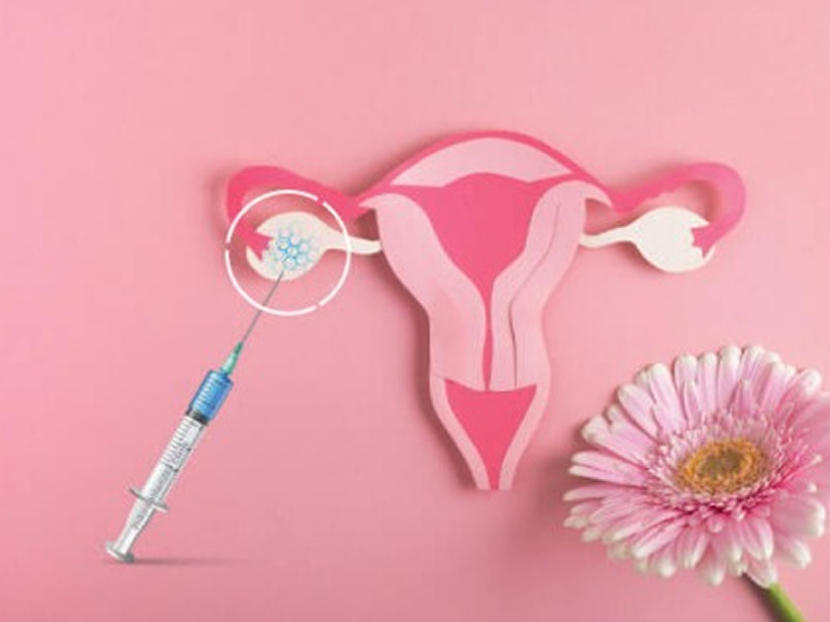
Ovarian PRP is an experimental fertility treatment that uses platelet-rich plasma prepared from a small sample of your own blood. The PRP contains concentrated platelets and growth factors and is injected into the ovaries with the aim of supporting the ovarian environment.
2. Who may consider Ovarian PRP treatment?
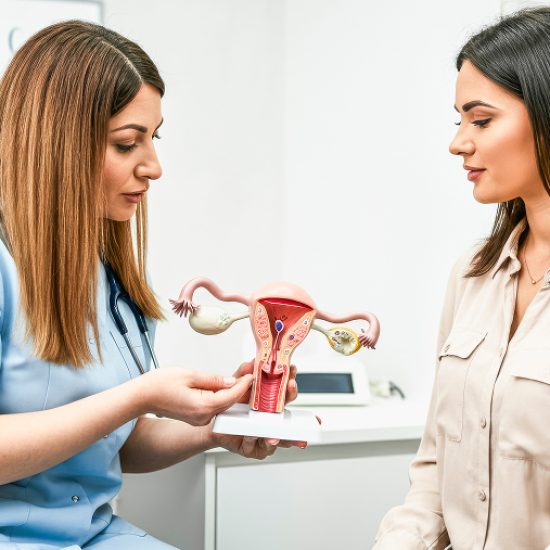
Ovarian PRP may be considered for women with diminished ovarian reserve, low AMH or age-related fertility concerns, as well as some women who have experienced previous IVF cycles with a low number of eggs or other challenges. Your fertility specialist will assess your individual circumstances before recommending treatment.
3. How is Ovarian PRP treatment performed?
A small blood sample is taken and processed to prepare the platelet-rich plasma. The PRP is then injected into the ovaries, typically using ultrasound guidance. Your fertility specialist will explain the procedure and any preparation required before treatment.
4. Can Ovarian PRP improve egg quality or ovarian reserve?
Ovarian PRP is being studied for its potential effects on ovarian function, including ovarian reserve markers and follicular development. However, the evidence is still evolving, and it has not been established that PRP can reliably improve egg quality, increase egg numbers or increase the chance of pregnancy.
5. Does Ovarian PRP guarantee pregnancy or improve IVF success?
No. Ovarian PRP does not guarantee pregnancy or a successful IVF outcome. It is considered an emerging and experimental treatment, and individual outcomes can vary. Your fertility specialist can discuss the potential benefits, limitations and alternative treatment options based on your circumstances.