

Kiran Infertility Center Hyderabad

Kiran Infertility Center – Hyderabad

Sai Kiran Hospitals - Unit of Kiran Infertility Center

Testicular Biopsy for Sperm Retrieval

At our clinics, we understand that any procedure can feel overwhelming. This information will help you understand what a testicular biopsy involves and why it might be recommended for you.

What is a Testicular Biopsy?

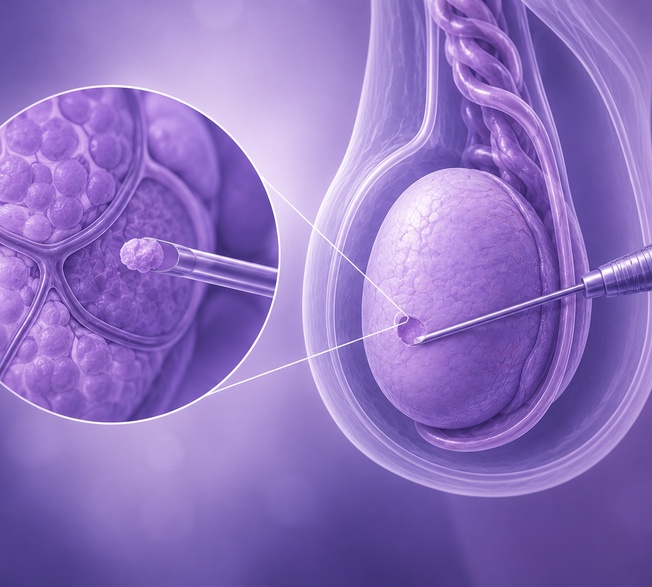
A testicular biopsy is a minor surgical procedure where a very small sample of tissue is taken from the testicle. This sample is then carefully examined in our laboratory to help us understand the cause of male infertility.

Why is a Testicular Biopsy Performed?

The most common reason for this test is to investigate the cause of male infertility, especially when a semen analysis shows little or no sperm and other tests have not found a cause.

Importantly, the sperm found during this procedure can often be used to fertilize your partner’s eggs in our lab through a process called In Vitro Fertilization (IVF), offering a potential path to pregnancy.
Testicular Biopsy for Sperm Retrieval

What to Expect During the Procedure

Biopsy is a minor procedure performed with local anaesthesia to ensure your comfort. You will be awake, but the area will be completely numb.

There are two common ways to perform the biopsy:

  • Open Biopsy: After numbing the area, a tiny incision is made in the skin. A small piece of testicular tissue is gently removed, and the incision is closed with a fine stitch.
  • Needle Biopsy: This method uses a special needle to take the tissue sample through the skin, without the need for an incision. Your doctor will decide which method is best for your specific situation.

During the procedure, you will likely feel a brief sting from the local anaesthetic. After that, you should only feel pressure, not pain.

After Your Biopsy: Recovery and Care

You can expect to go home shortly after the procedure. To ensure a smooth recovery, please follow these guidelines:

1. Comfort & Support: You will be advised to wear a supportive garment (like an athletic supporter) for several days.

2. Activity: We recommend avoiding sexual activity for 1 to 2 weeks.

3. Managing Discomfort: It is normal to have some soreness for 2-3 days. The scrotum may also be swollen or bruised, but this should clear up quickly.

  • Using a cold pack on and off for the first 24 hours can help reduce swelling and discomfort.

4. Hygiene: Keep the area dry for several days after the procedure. 

5. Medications: Please continue to avoid aspirin or medicines containing aspirin for one week after the procedure, unless otherwise directed by your doctor.

Understanding Your Results

Our specialists will analyze the tissue sample to check how sperm is developing.

  • Normal Results: This means sperm development appears normal.
  • Abnormal Results: An abnormal result can help identify specific issues with sperm development or hormone function. In some cases, the biopsy may show that sperm is being produced normally, which can indicate a blockage that might be repaired with surgery.

Your doctor will discuss your specific results with you in detail and explain what they mean for your treatment journey.

Testicular Biopsy for Sperm Retrieval

A Note on Risks

As with any procedure, there is a slight risk of bleeding or infection. Our medical team takes every precaution to minimize these risks and will provide you with clear instructions for aftercare. We are here to support you every step of the way. Please do not hesitate to ask our team any questions you may have.

Take the Next Step Towards Building Your Family
Every family-building journey is unique. Our experienced fertility and andrology team provides specialized diagnostic and sperm-retrieval procedures, personalised guidance and compassionate support based on your individual needs.

Our fertility team is here to answer your questions, discuss your treatment options, and provide the guidance and support you need throughout your family-building journey.
Email us at info@kiranivfgenetic.com to start the conversation.

Frequently Asked Questions

1. What is a testicular biopsy for sperm retrieval?

A testicular biopsy is a minor procedure in which a small sample of tissue is taken from the testicle and examined in the laboratory. In selected cases, sperm found within the testicular tissue may be retrieved and used for fertility treatment, including IVF with intracytoplasmic sperm injection (ICSI).

2. Why might I need a testicular biopsy for sperm retrieval?

A testicular biopsy may be recommended when a semen analysis shows very few or no sperm, particularly when other investigations have not identified the cause. The procedure can help assess sperm production within the testicles and may provide an opportunity to retrieve sperm for use in assisted reproductive treatment.

3. How is a testicular biopsy performed?

A testicular biopsy may be performed using an open or needle technique, depending on your individual circumstances. With an open biopsy, a small incision is made to remove a small amount of testicular tissue. With a needle biopsy, a specialized needle is used to obtain the tissue sample through the skin. Local anesthesia is used to numb the area, so you may feel a brief sting from the anesthetic followed by pressure rather than significant pain.

4. What can I expect after a testicular biopsy?

Most patients can return home shortly after the procedure. Some soreness, swelling or bruising in the scrotum can occur for a few days. Your doctor may recommend wearing supportive underwear, avoiding strenuous or sexual activity for a specified period and using a cold pack during the first 24 hours to help with swelling and discomfort. You should follow the specific aftercare instructions provided by your medical team.

5. What can the results of a testicular biopsy tell me?

The tissue sample can provide information about how sperm is developing within the testicles. The results may show normal sperm production, reduced or abnormal sperm development, or other findings that may help explain male infertility. If sperm production is present but sperm are not appearing in the semen, the findings may also help your doctor consider whether a blockage could be contributing to the problem. Your specialist will explain your results and discuss the most appropriate treatment options with you.

Call Now Button