

Kiran Infertility Center Hyderabad

Kiran Infertility Center – Hyderabad

Sai Kiran Hospitals - Unit of Kiran Infertility Center

Female Infertility Treatment

Female Infertility – Causes and Treatment Options

Female infertility can occur for many reasons. In some cases, the cause is easy to identify, while in others it may be a combination of factors. The good news is that many causes of female infertility can be treated with modern medical care.

Common Causes of Female Infertility

Age:
Age is one of the most important factors affecting fertility. As a woman gets older, both the number and quality of eggs decline. This reduces the chance of pregnancy and increases the risk of miscarriage, especially after the age of 35.

Hormonal Imbalances and Ovulation Problems:
Some women do not ovulate regularly or at all. This may be due to conditions such as PCOS (Polycystic Ovary Syndrome), thyroid disorders, high prolactin levels, or problems with the brain hormones that control ovulation. Premature Ovarian Failure (early menopause) can also affect fertility, sometimes due to genetic or autoimmune causes.

female infertility treatment

Fallopian Tube Problems:
Blocked or damaged fallopian tubes can prevent the egg and sperm from meeting. This may result from infections, pelvic inflammatory disease (PID), endometriosis, previous surgery, or conditions such as hydrosalpinx.

Endometriosis:
Endometriosis occurs when tissue similar to the uterine lining grows outside the uterus. This can cause scarring, pain, and changes in the pelvic organs that interfere with natural conception.

Fibroids and Polyps:
Fibroids and uterine polyps are non-cancerous growths in or around the uterus. If large or poorly positioned, they may interfere with embryo implantation or cause heavy bleeding and pain.

Lifestyle and Medical Factors:
Smoking, exposure to radiation or harmful chemicals, certain medications, and previous cancer treatments (chemotherapy or radiation) can negatively affect fertility.

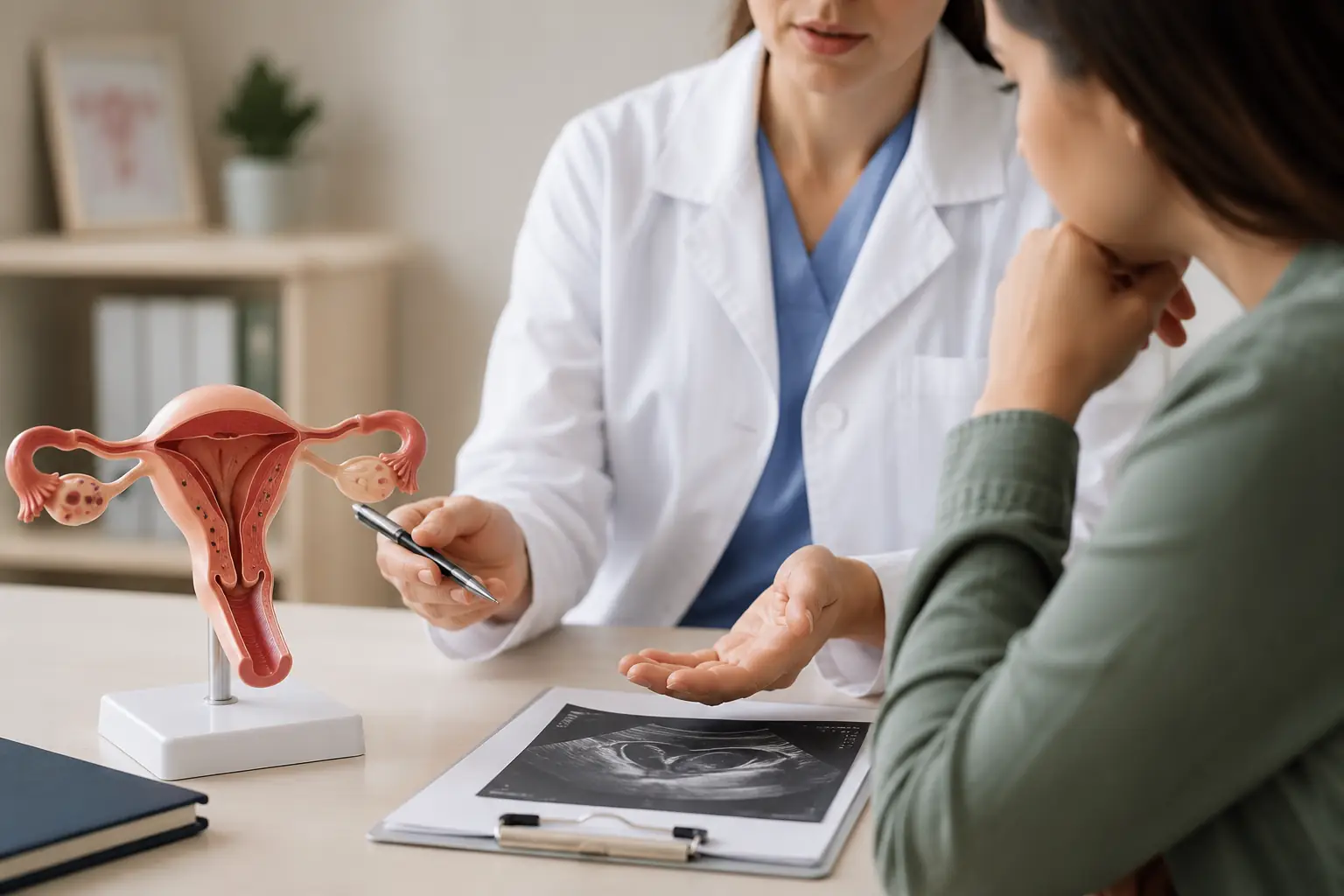
Female infertility specialist consultation for diagnosis and treatment in Hyderabad clinic

Female Infertility Treatment Options

Treatment depends on the cause of infertility and is always personalized to each patient.

Medication and Hormonal Treatment:
Hormonal therapies can help regulate ovulation, improve egg development, and correct hormonal imbalances.

Surgical Treatment:
Surgery may be recommended to remove fibroids, polyps, endometriosis, or to address blocked fallopian tubes when appropriate.

IVF (In Vitro Fertilization):
IVF is one of the most effective treatments for many infertility conditions, including tubal disease, severe endometriosis, ovulation disorders, and unexplained infertility.

Egg Donation:
For women with very low ovarian reserve or premature ovarian failure, IVF with egg donation offers high success rates.

Advanced and Supportive Treatments:
In selected cases, treatments such as PRP therapy may be considered. Genetic testing and fertility preservation options may also be recommended.

Let’s Take the Next Step Towards Building Your Family Together

Every fertility journey is unique. Our experienced medical team provides personalised treatment plans, advanced fertility care, and compassionate support based on your individual needs and circumstances.

Our fertility team is here to answer your questions, discuss your treatment options, and provide the guidance and support you need throughout your family-building journey. 

Email us at info@kiranivfgenetic.com to start the conversation.

Frequently Asked Questions

Female infertility can have several possible causes, including age-related changes in egg number and quality, ovulation problems, hormonal imbalances, blocked or damaged fallopian tubes, endometriosis, fibroids, polyps, and certain medical or lifestyle factors. Sometimes, more than one factor may contribute to infertility.

A fertility assessment can help identify possible causes. Depending on your medical history and individual circumstances, your doctor may recommend hormonal tests, ultrasound scans, assessment of ovarian reserve, and other investigations to evaluate ovulation, the uterus and fallopian tubes.

Yes. Treatment depends on the underlying cause and may include medication or hormonal treatment to support ovulation, or surgery to treat conditions such as fibroids, polyps, endometriosis, or certain fallopian tube problems. Your doctor will recommend the most appropriate approach based on your individual circumstances.

IVF may be considered for several causes of infertility, including blocked or damaged fallopian tubes, severe endometriosis, ovulation disorders, and unexplained infertility. The recommended treatment will depend on your fertility assessment and medical history

For women with very low ovarian reserve or premature ovarian failure, IVF using donated eggs may be an option. Your fertility specialist can assess your individual circumstances and discuss whether egg donation may be appropriate for you.

Call Now Button