Kiran Infertility Center Hyderabad

Kiran Infertility Center – Hyderabad
Sai Kiran Hospitals - Unit of Kiran Infertility Center

Stem Cells and Fertility
What are Stem Cells?
Stem cells are unique, undifferentiated cells that can develop into many different types of specialized cells. They exist at different stages of life, embryonic, fetal, and adult—and hold great potential for medical science because of their regenerative properties.
Stem Cells and Infertility
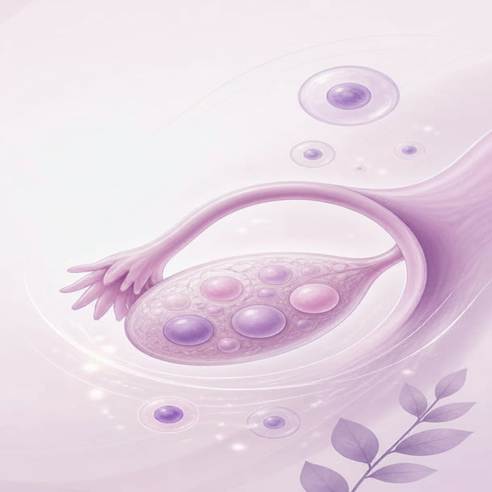
In reproductive medicine, stem cells are being studied for their ability to restore fertility. Because they are present in significant numbers and are relatively easy to obtain, researchers are exploring their potential to develop into oocytes (eggs) and sperm cells, as well as rejuvenating reproductive tissues.
Autologous stem cells
They are already being used in some advanced clinics for ovarian and endometrial rejuvenation. Research shows that these treatments may help increase serum AMH levels and the number of antral follicles, offering hope for women with low ovarian reserve.
Pluripotent hematopoietic stem cells, which naturally exist in both men and women, are also being used in other fields of medicine for their regenerative benefits.
Stem Cells in Male Infertility
Stem cell–based therapies are showing encouraging results in men with azoospermia (absence of sperm). Early studies suggest they may be helpful in both obstructive and non-obstructive cases.
Stem Cells in Female Infertility
In women, stem cells are being explored most for:
- Premature ovarian failure
- Low ovarian reserve and poor-quality eggs
- Chronic thin endometrium due to various causes
How Do Stem Cells Work?
Stem cells are usually collected from the bone marrow of the hip bone. Once prepared and injected into the target tissue, they may replace or repair damaged cells, stimulating regeneration and improving reproductive function.

Important Note
Stem cell therapy in infertility is still considered experimental. While early results are promising, success cannot be guaranteed for every patient. Careful selection based on age, hormone levels, and underlying causes of infertility is necessary to determine who may benefit most.